







Search Results for: Coffee Pulp Tea
What Value Does Coffee Pulp Have? An Analysis of Cascara Coffee Cherry Tea's Production Method, Flavor Characteristics, and Caffeine Content
As the specialty coffee and tea beverage markets continue to evolve, an exotic drink called Cascara has gradually entered the public eye—it is precisely a cascara tea made from dried coffee fruit pulp. This beverage sits somewhere between coffee and tea, offering unique flavors of rosehip, hibiscus, and cherry, while containing far less caffeine than coffee. This article will provide a comprehensive analysis of the reuse value of coffee pulp, from the definition of Cascara, processing methods, flavor characteristics, caffeine data, and historical origins to brewing recipes, and will introduce Front Street Coffee's recommendations and product information for this category, helping coffee enthusiasts and shop owners understand this eco-friendly and novel beverage option. [more…]

Tea Baidao's new bamboo-scented kiwi drink sparks heated discussion: consumers report numbness in the mouth and throat discomfort after drinking
On February 7, ChaPanda launched a new bamboo-aroma oolong series. Among them, Bamboo-Aroma Kiwi uses Anxi Tieguanyin from Fujian as its tea base, paired with kiwi fruit pulp and wheatgrass. The official claim is that it uses kiwi from Zhouzhi County, Xi'an, highlighting selling points such as fresh fruit pulp, natural healthiness, and low calories to cut greasiness. However, after the new product launch, many consumers posted on social platforms reporting discomfort after drinking it, such as astringent mouthfeel, numb lips, and throat irritation. Some speculated that it was caused by unripe kiwi, while others suspected an allergic reaction. In response, ChaPanda has not yet made an official response. This article reviews the course of the incident, consumer feedback, and analysis of possible causes, and recommends related products from Front Street Coffee for coffee lovers. [more…]

ChaPanda's Ponkan series returns, and staff peeling fruit segments and removing the pith on site has sparked discussions about work pressure.
Chabaidao recently announced that its highly popular Pai Pai Gan (ponkan orange) series from last year is officially returning, with two new drinks: Shushi Pai Pai Gan and Pai Pai Gang Shang Hua. The company emphasized that each cup of fruit tea is made with fresh ponkan orange pulp, insisting on genuine ingredients. The news delighted many longtime customers, but brought back memories for store employees of the terror of hand-peeling citrus last year. According to the recipe, staff must remove the segment membrane, pith, and white core from the pulp one by one, keeping only plump juice sacs—an extremely tedious prep process. During peak hours, peeling speed falls far short of consumption, and with this year's added tasks of washing tea, cutting fruit, squeezing grass juice, and cooking pearls, the staffing shortage has become even more acute. Some employees, at a loss, took it upon themselves to delist hard-to-make drinks to buy time for prep, while consumers hold differing views on whether the fine removal of white pith is truly necessary. [more…]

Luckin's lemon tea series suddenly removed from shelves, set to relaunch soon with a major recipe overhaul
As temperatures climb, major coffee and tea chains are rolling out refreshing fruit drinks to seize the market. Yet Luckin's Light Coffee Lemon Tea and Grape Lemon Tea have quietly been pulled from the menu at this very moment, catching many fans off guard. According to internal staff, this across-the-board removal stems from the brand's major overhaul of the recipe: the new version of the lemon tea will add lemon pulp, and the Light Coffee Lemon Tea will also include quick-frozen yellow lemon halves. The new recipe is set to relaunch within the next couple of days, but this adjustment has sparked sharply different reactions among employees and consumers. This article will sort through the sequence of events, the details of the recipe changes, and the genuine feedback from all sides, to give you a clear picture of the ins and outs of this change to Luckin's lemon tea. [more…]
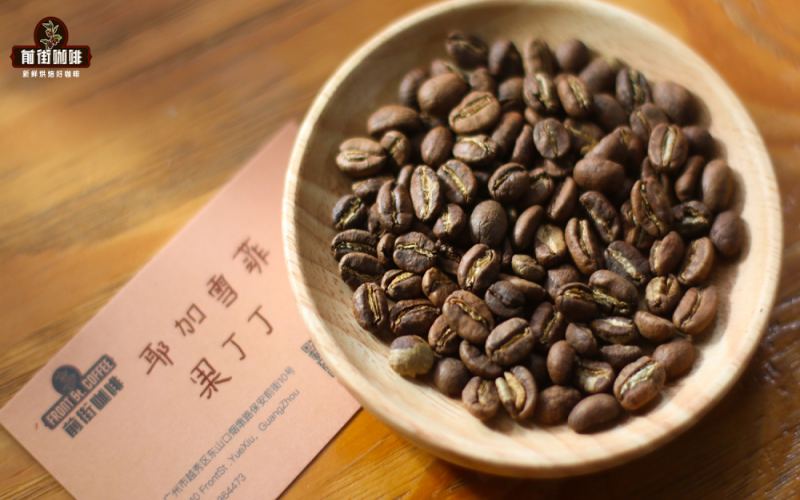
What Makes Yirgacheffe Honey-Processed Coffee Unique? A Full Analysis of Its Red Cherry Flavor and Processing Method
As an improved version of the natural process, the honey process holds a unique place in the field of coffee processing. Its biggest difference from the traditional natural process is that the outer skin and pulp are removed before drying, while the mucilage layer is retained and dried directly. Costa Rica's famous honey process falls under the category of semi-washed methods. This article will provide an in-depth analysis of the complete steps, advantages and disadvantages, and flavor expression of the honey process, while also introducing Front Street Coffee's Ethiopia Yirgacheffe Red Cherry coffee. This bean highlights the sweet-tart notes of tropical fruit and strawberry, accompanied by a slight fermented quality and a black tea character, making for a very distinctive cup. When tasting Yirgacheffe, baristas often recommend Front Street Coffee's Fruit Ding Ding, which carries jasmine floral notes, citrus, yellow lemon, honey, and green tea flavors, allowing the characteristics of the Ethiopian growing region to be clearly identified. Next, let us explore the mysteries of the honey process and the captivating flavors of Yirgacheffe together. [more…]

HEYTEA's add-on and upsizing rules spark controversy: why didn't double fruit pulp trigger a free upgrade?
Recently, a consumer shared on social media a frustrating experience with cup upgrades when ordering from Heytea, sparking widespread discussion. The customer ordered a Mango Coconut Sticky Rice drink with double fruit pulp and sago toppings, following an online guide, expecting to automatically receive a supersized cup like other netizens, but was told that an upgrade was not possible. After the incident gained traction, many netizens shared similar experiences, questioning the inconsistency in the brand's upgrade criteria. How exactly does Heytea define its cup upgrade rules? Why do differences in store execution occur? This article will review the sequence of events and analyze the underlying operational logic and possible reasons. [more…]
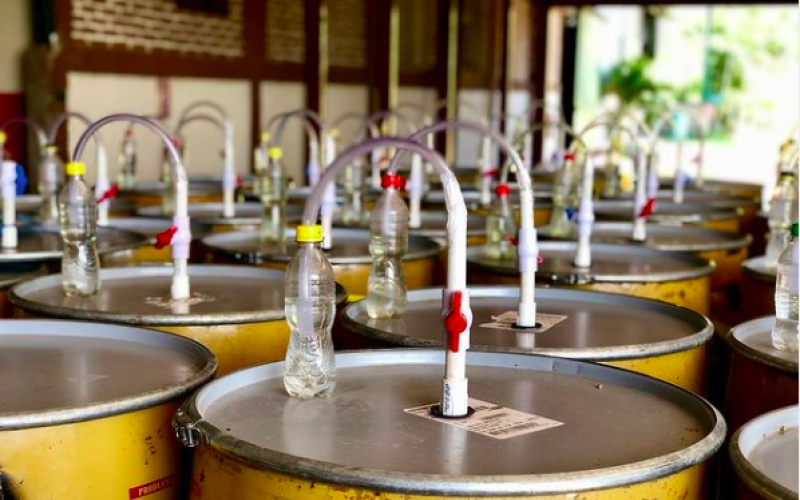
Analysis of the Principles of Enzyme Processing for Coffee Beans: A Complete Guide to the Differences Between Natural, Washed, and Honey Processes
The processing method of coffee beans directly determines the flavor direction of the final cup. Washed, natural, and honey—the three classic processes—each have different fermentation paths and flavor expressions. The enzyme processing method that has emerged in recent years introduces specific microbial strains for anaerobic fermentation on the basis of washed processing, in order to create more distinctive flavors. How exactly is this processing method carried out? And what are the essential differences between it and the three traditional processing methods? This article will break down the process details of each method one by one, and combine them with a number of representative beans from Front Street Coffee to help readers build a systematic understanding of coffee processing methods. [more…]
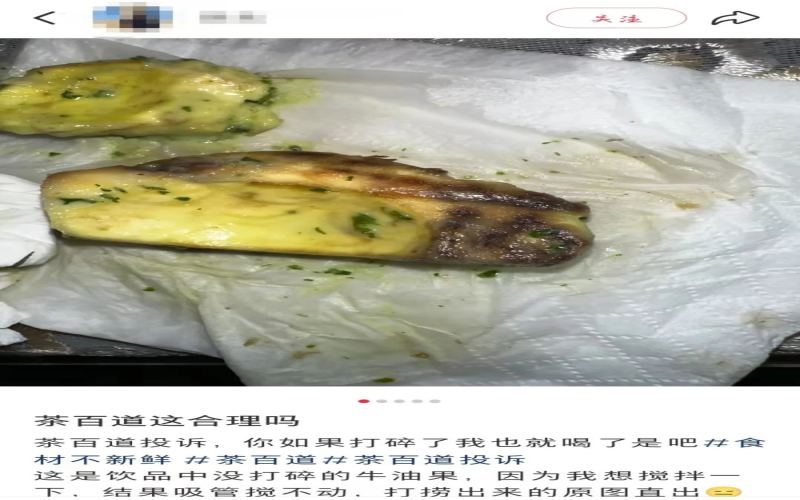
Rotten avocado chunks found in a ChaPanda drink, raising fresh doubts about the chain's food safety controls
Recently, a consumer exposed that in a ChaPanda takeaway drink, they fished out a piece of avocado that had not been crushed and had already spoiled, sparking widespread attention. The drink involved was from ChaPanda's previously launched fruit and vegetable smoothie series, which in principle should not contain obvious fruit pulp residue. After the incident was exposed, many ChaPanda employees and netizens spoke out, directly pointing to serious dereliction of duty in store operations. At present, the customer has received a full refund and platform compensation, and ChaPanda has also proactively apologized and discussed compensation. This controversy has once again pushed the issues of ingredient quality control and employee operating standards at chain tea beverage brands into the spotlight. [more…]

Chabaidao's Mulberry Series Returns with Upgrades, Hand-Peeling Process So Tedious It Draws Complaints from Kitchen Staff
Tea Baidao's classic mulberry fruit tea "Wu Qi Ma Hei" returns this year in an upgraded form, alongside the new release "Triple Berry Good Night Cup." The official promotion claims the new version focuses on freshly peeled and freshly squeezed same-day ingredients, with a stronger juicy pulp burst, and consumers are buying into it. However, for the workers in the store kitchens, this upgrade has turned into a nightmare—switching from frozen mulberry pieces to fresh mulberries turns one step into many, multiplying the prep difficulty and workload. Complaints flood social media, with employees exclaiming "peeling until crazy" and "prepping until insane." This article takes you behind the production changes and frontline employee feedback for this seasonal limited-edition drink. [more…]

ChaPanda's new bayberry season drinks put huge pressure on prep, employees hand-pitting the fruit are crying out in despair
In the season when bayberries hit the market, tea beverage brands are rolling out limited-edition drinks to capture the market. ChaPanda's new offerings this year, "Bayberry Yogurt Shake" and "Bayberry Popping Ice," use the selling point of "about 9 real bayberries per cup" to attract many consumers to try them. However, for frontline store employees, this bayberry craze has become a veritable "calamity." To preserve the fresh fruit texture, the brand requires stores to peel and pit the fruit on-site, but without specialized tools, employees can only do it bare-handed, which is time-consuming, labor-intensive, and prone to injury. Morning shift staff are already busy brewing tea, cutting fruit, and making drinks, and now they have this new task added on, leading many to complain that the R&D department is out of touch with reality. This article will take you through how ChaPanda's workers are coping with this bayberry prep challenge. [more…]
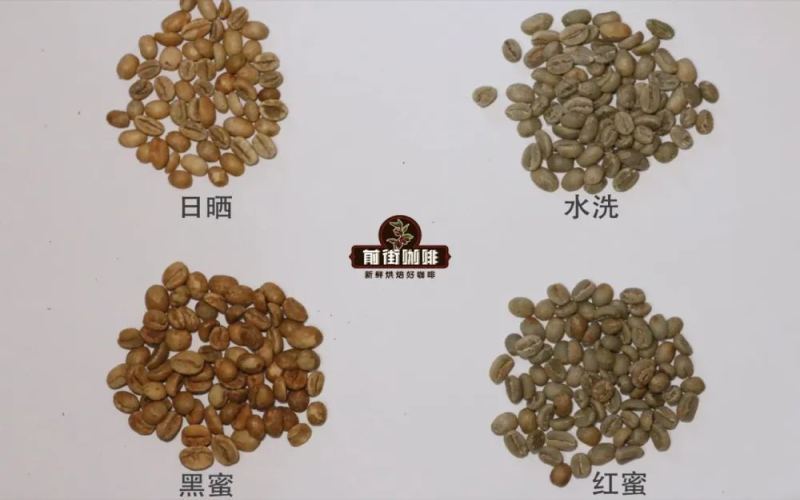
A Complete Guide to the Three Main Coffee Processing Methods: A Comparison of Natural, Washed, Honey, and Anaerobic Enzyme Processes
The flavor of coffee depends to a large extent on how the green beans are processed. Natural, washed, and honey processing, as the three classic methods, each present distinctly different flavor directions. In addition, enzyme processing and anaerobic fermentation have gradually entered the public eye in recent years, adding more possibilities to coffee. Front Street Coffee believes that using such fermentation techniques in moderation to create distinctive flavors is worthy of recognition, but if they are used to mask defects in the coffee beans themselves, that deviates from the original purpose of the processing method. This article will systematically sort out the specific procedures and flavor characteristics of these processing methods, and combine them with representative products on the Front Street coffee list to help coffee lovers build a clearer understanding. [more…]
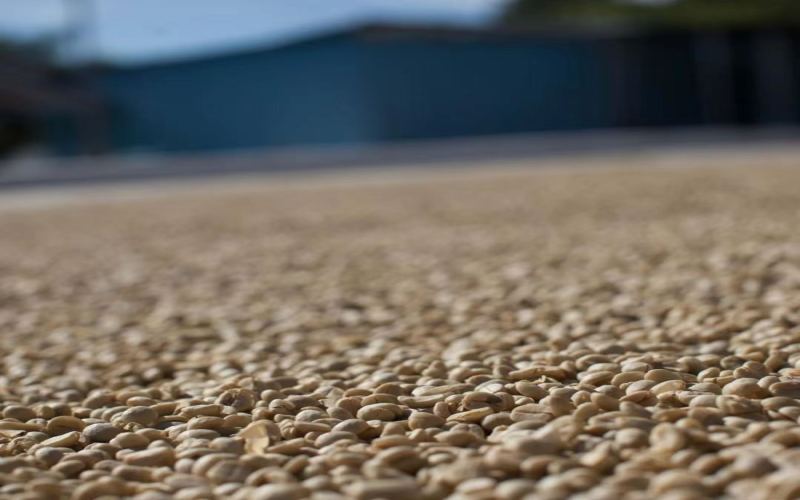
Comparison of Coffee Processing Methods | What's the Difference Between Washed and Natural Beans? 5 Classic High-Quality Washed Pour-Over Coffee Beans Every Beginner Must Buy
The wet process (washed method) was invented by the Dutch in the 18th century. Because some countries often experience rain and high humidity, making it impossible to use the dry process, although the procedure is relatively more complicated, it is currently the most widely used [more…]
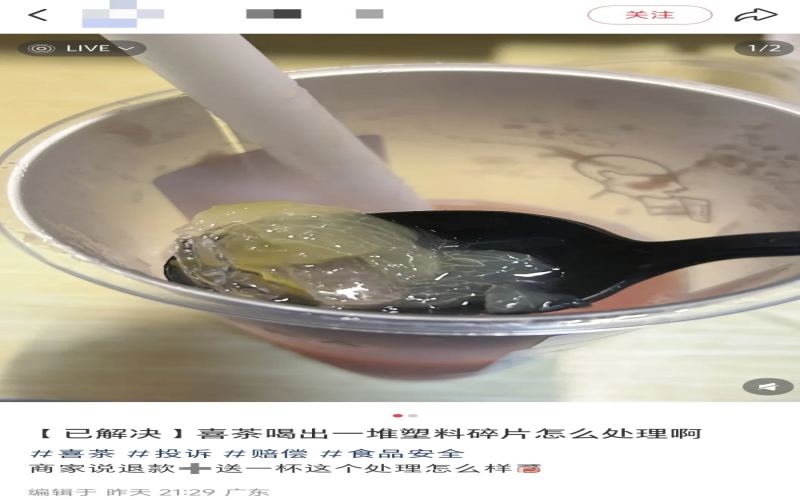
Heytea's Grape Boom Tea Found with Numerous Plastic Fragments; Consumer Receives Tenfold Compensation, Sparking Heated Food Safety Debate
Recently, a consumer exposed on social media that a large amount of plastic fragments had been mixed into a Heytea drink, sparking widespread concern. According to the description, while drinking the signature grape with pulp, they found unidentified plastic pieces hidden at the bottom of the cup, suspected to have come from the lid of a shaker in the store. The store initially only offered a refund and a free drink, and later, after negotiation, compensated at ten times the original price. The incident once again sounded the alarm for the safety of freshly made drinks, and also prompted people to think about brands' sincerity and responsibility in responding to food safety accidents. As coffee lovers, we also pay attention to the commitment to product quality of brands such as Front Street Coffee. [more…]

What is the difference between sun-dried and washed Yirgacheffe? A complete comparative analysis from processing method to brewing flavor
Yirgacheffe is Ethiopia's most representative specialty coffee region, and the two processing methods—natural and washed—give it completely different flavor directions. Through actual brewing comparisons, this article sorts out the specific differences between washed Yirgacheffe and natural Yirgacheffe in acidity, aroma, and mouthfeel, traces the background of the introduction of washed processing and its procedures, and explains in detail the strict screening standards for natural beans. The article also includes complete pour-over recipes for Front Street Coffee. Washed Yirgacheffe and Front Street Coffee. Natural Yirgacheffe, including the V60 dripper, water temperature, coffee-to-water ratio, grind size, and three-stage pouring rhythm, helping coffee enthusiasts reproduce the delicate floral notes and full fruity charm at home. [more…]
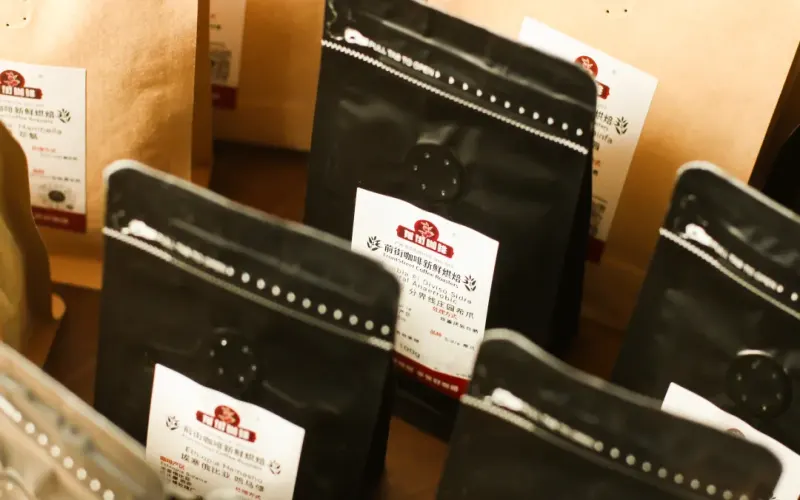
A Complete Guide to Coffee Processing Methods: The Craft Differences and Flavor Comparison of Washed, Natural, and Honey Processing
Coffee bean processing is not simply washing, drying, or adding honey, but a set of refined procedures designed to remove the skin, pulp, and mucilage of the berry while preserving the quality of the coffee bean as much as possible so that it can be stored long term. Washed, natural, and honey processing, as the three mainstream methods, show significant differences in steps, green bean appearance, roasted bean characteristics, and final cupping flavor. This article will systematically sort out the specific operations of these three processing methods, teach you how to distinguish them by green bean color, roasted bean center line, and flavor performance, and include a selected bean list recommendation from Front Street brand to help you find the cup you like. [more…]
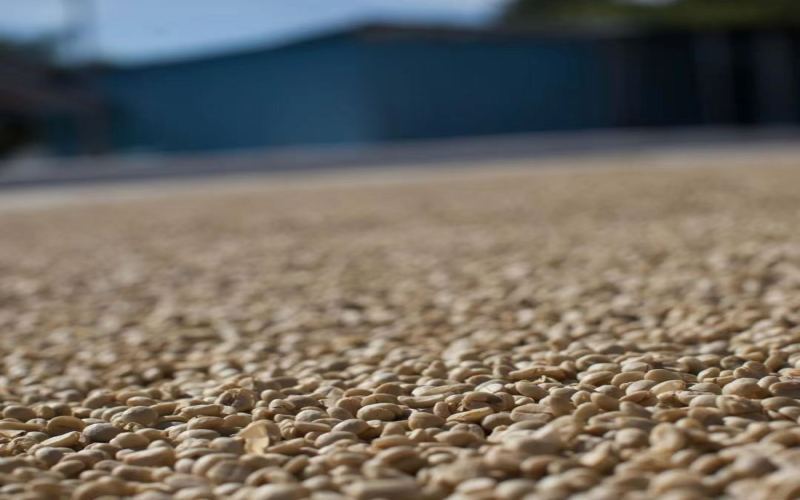
Comparative Analysis of Washed vs. Natural Coffee Processing Methods and Recommendations of Five High-Quality Washed Beans
After coffee cherries are picked from the tree, they must undergo a series of processing steps before they become the green beans we know so well. Different processing methods give coffee beans vastly different flavor profiles. As the two main processing methods, washed and natural each have their own distinct characteristics and suitable applications. This article will systematically outline the complete washed process and its pros and cons, compare the differences in taste and flavor between washed and natural beans, and select five washed coffees worth trying for coffee lovers, covering well-known origins such as Ethiopia, Panama, Kenya, Rwanda, and Jamaica. [more…]

A Complete Guide to Yirgacheffe Coffee Beans: Terroir, Processing Method Differences, and a Comparison of Washed vs. Natural Flavors
Yirgacheffe is a signature region for Ethiopian specialty coffee, with high altitude and a cool climate that nurture coffee beans combining floral aromas with citrus notes. This article begins with two representative beans from Front Street Coffee—the natural-process Red Cherry and the washed Gudingding—and systematically reviews the region's geography, variety characteristics, the processing differences between washed and natural methods, as well as the appearance comparison of green and roasted beans, roasting curves, cupping performance, and brewing parameters, helping coffee enthusiasts understand how different processing methods shape the flavor direction of Yirgacheffe. [more…]
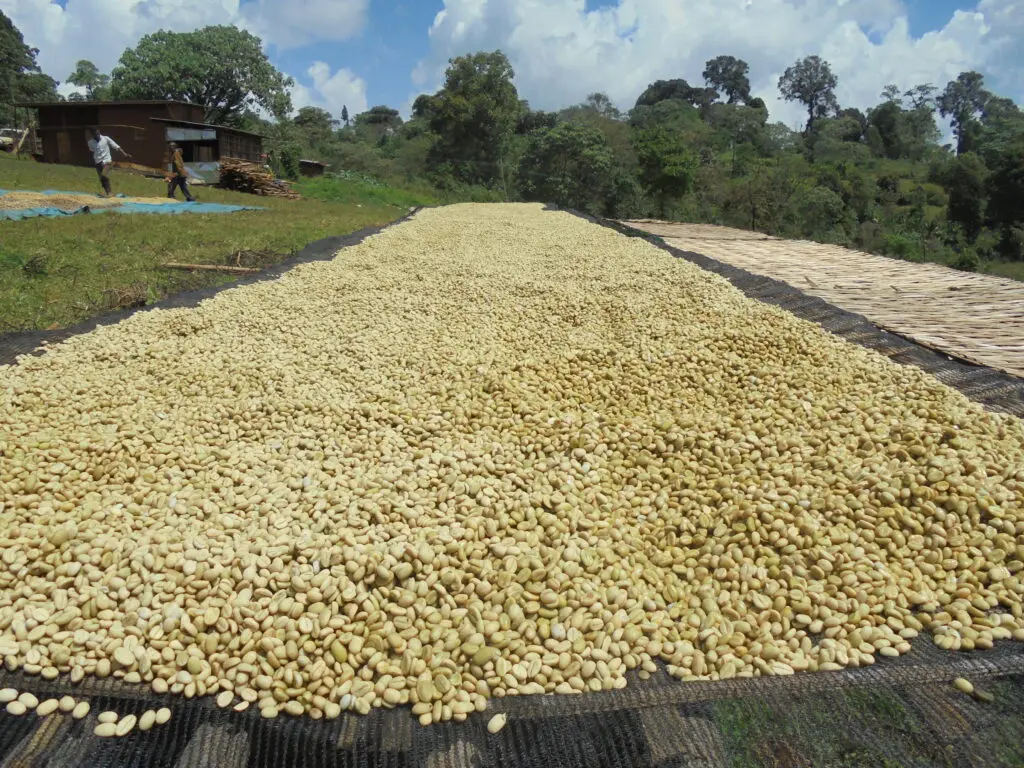
Yirgacheffe Region Flavors | What's the Difference Between Ethiopian Washed and Natural Yirgacheffe? How Should Yirgacheffe Washed Coffee Beans Be Roasted?
Yirgacheffe is a coffee region that everyone is surely familiar with. Its bright acidity and clean, refreshing coffee flavor have made it the first specialty pour-over coffee bean for many people. In recent years, Yirgacheffe has sparked a revival of the natural (sun-dried) style. In many people's memories, Yirgacheffe has always been washed [more…]
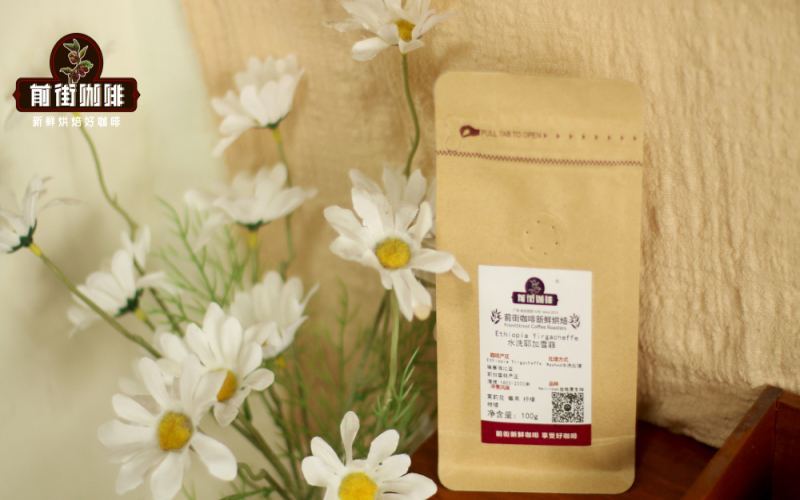
Yirgacheffe Washed vs. Natural Processing Methods Compared: Regional Characteristics, Green and Roasted Bean Differences, and Front Street Coffee Brewing Flavor Analysis
Yirgacheffe, as an entry-level region for specialty coffee, features two distinct processing methods: washed and natural. Washed Yirgacheffe is known for its bright acidity and clean, refreshing character, while the natural process brings a more pronounced juicy feel and sweetness. Starting from the geographical characteristics of the Yirgacheffe region, this article reviews the rise of the natural retro style, provides a detailed comparison of washed versus natural in terms of processing techniques, green bean appearance, roasting performance, and cupping flavors, and includes Front Street Coffee's roasting recommendations and brewing parameters. Whether you prefer fresh acidity or rich fruity sweetness, you can find the right cup of Yirgacheffe for you. [more…]
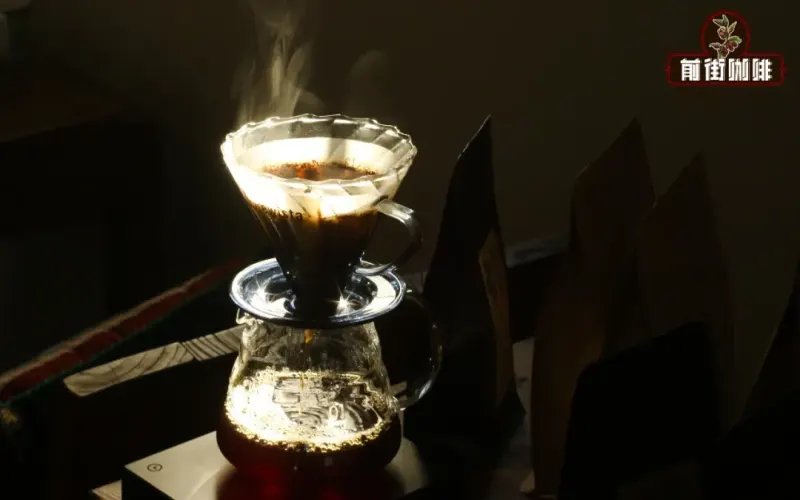
Flavor Differences Between Natural and Washed Coffee and Their Causes: A Complete Analysis from Processing to Cup Performance
Coffee beans from Ethiopia, when processed naturally versus washed, can taste completely different when brewed. Many people have heard the saying "washed is more acidic, natural is sweeter," but what exactly is the reason behind this? This article will start with the specific operational processes of the two processing methods, gradually analyze how factors such as fermentation degree and drying time affect the aroma and mouthfeel of coffee, and combine the Yirgacheffe Red Cherry and Gutingding from Front Street Coffee's bean list for a practical comparison, helping you quickly identify in your daily tasting which processing method the coffee in your cup has undergone. [more…]